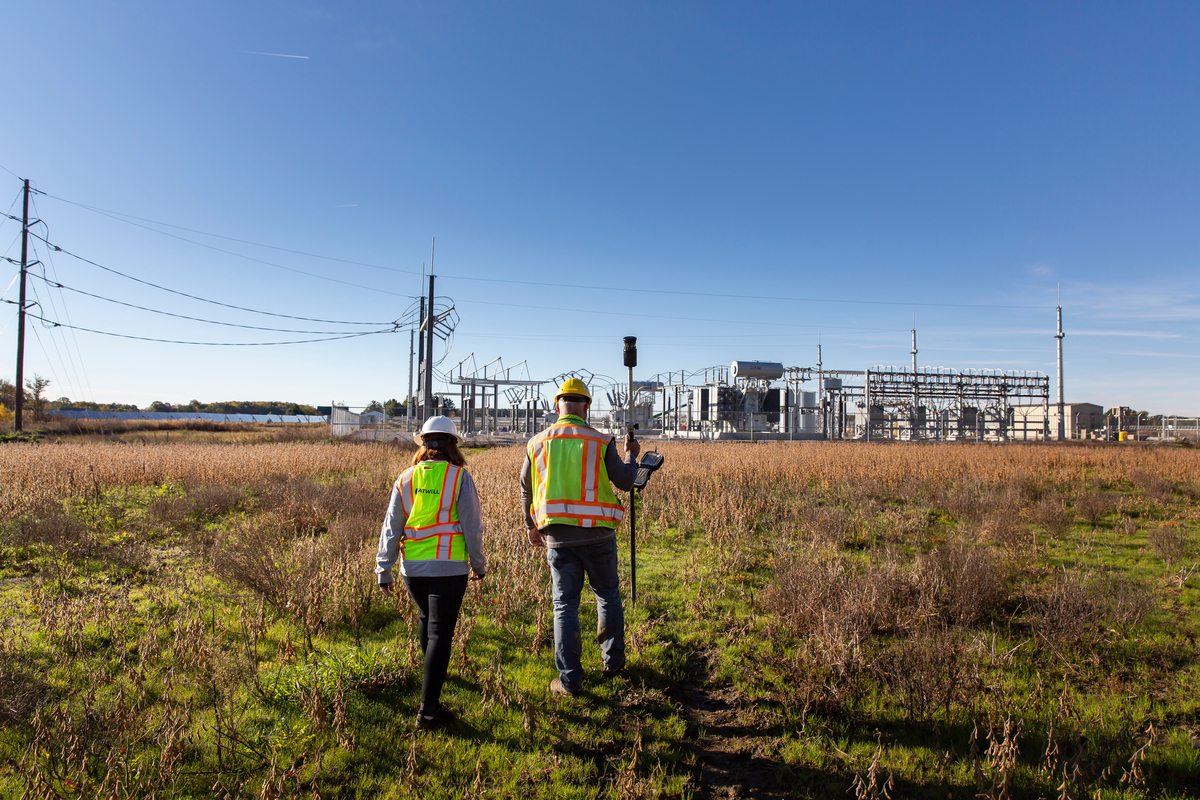
The modernization needed to stabilize and support the energy grid impacts everyone connected to and benefitting from the grid. From utilities to the consumers, reliable and safe energy is a shared goal. After many years of work in the field and experience with new technologies, I’ve seen how utilities and clients integrate certain strategies to the benefit of the grid and their customers.
While modernizing the grid won’t happen overnight, it will remain a pivotal conversation in the coming months and years. In the meantime, I wanted to share seven components for increasing energy reliability and cost savings that utilities can implement right away.
1. Assessment of current infrastructure
First and foremost, in any modernization project, assessing the state of the current infrastructure provides the foundation to build upon. There are key challenges that need to be addressed, but understanding whether wire sizes and poles can handle the increasing demand or need to be replaced entirely is step one. New regional industries will stress the grid and only demand more from the current systems. The infrastructure in place today may be able to support the next few years, but will it be able to support rapid expansion in areas like Colorado and the Midwest? Assessments will give us insights that will lead to informed decisions when modernizing.
2. Material upgrades to current infrastructure
One important aspect of modernizing the power grid is improving the current infrastructure with newer, more resilient materials. Replacing aging components, such as outdated power lines and sectionalizing devices, with higher-performance materials can significantly reduce energy loss and maintenance costs. The use of composite materials for power poles can improve long term feasibility, and upgrades to wire size and type can minimize power loss over long distances. Upgrading these materials not only boosts grid performance but also extends the operational lifespan of the infrastructure, reducing the frequency of costly repairs and downtime.
3. Tree trimming maintenance
Tree trimming remains a significant challenge for utilities delivering energy through overhead power lines across the country. When tree trimming isn’t maintained, frequent outages and storm-related damages become not only likely but guaranteed. Knowing this is the inevitable outcome, protective methods can be put in place to prevent outages. Providing adequate space between the power line and the tree will give the wire space to move with the wind without slapping against a tree. Customers may be protective of their trees, but a downed tree and a downed powerline only cause more stress in the aftermath of a storm. This doesn’t have to be the reality; through appropriate tree trimming and maintenance, we can prevent power line damage and provide more consistent service.
4. Tree wire installation
The use of tree wire is growing in popularity across the country. While tree wire is a conductor, it delivers power while protected in an insulated casing. This method of protection and prevention is increasing in states like California, where wildfires are a norm, but the speed and intensity of the fires cause more damage each season. Tree wires can prevent fires and outages caused by tree limbs coming into contact with power lines.
5. The use of smart grid technologies
From a more technological perspective, I’m seeing the implementation and use of Smart Meters, Reclosers, and other smart grid technologies to improve grid management. These technologies are placed on the front lines of user homes but can be managed and manipulated from a distance to provide real-time data, monitoring, and fewer field visits. This not only reduces the cost for utilities, but it also reduces outage time and the physical risk to the field staff.
6. Gathering data for strategic planning
SCADA systems are providing us with more insight and more control than ever before. These systems collect real-time data, automate processes, and provide operators with tools to efficiently control and optimize operation. In an electric grid, SCADA systems allow operators to monitor grid voltage, current, and power distribution in real-time, making it easier to detect and respond to issues quickly.
The data collected can help utilities understand where the grid can be more optimized and exactly where and when an outage began. However, like many things in the data revolution, there are benefits and perceived downsides to the technology. Many customers may feel like their privacy and security are lessened if their utility company can see how much power they are using and when they’re using it. Utility companies will have to weigh the benefits for the end user against possible privacy concerns.
7. Encourage growth of Distributed Energy Resources (DERS)
Distributed Energy Resources (DERs) offer significant benefits to the grid by enhancing reliability, efficiency, and flexibility. DERs, such as solar panels, wind turbines, and small-scale battery storage systems, are often located closer to the point of consumption. This helps reduce transmission losses and can provide backup power in case of grid failures. In the event of a power outage or natural disaster, DERs can operate independently, ensuring a continuous power supply to critical infrastructure or communities. When DERs are integrated into the grid, they help distribute the load and reduce the strain on the central grid. This lowers the risk of widespread blackouts caused by a single failure at a central power plant or substation.
A need for practical, phased solutions that incorporate cutting-edge technology
From my experience working with utilities, here’s what’s working: proper assessment of current infrastructure, upgrades made to the infrastructure, and integration of new technology into the grid. These may seem like simple suggestions, but providing more reliability and identifying exactly where the grid can already support the energy needs of the area is the most cost-effective and least labor-intensive option. This will only provide more insight into where the initial effort should be focused.
The challenge, however, is in managing customer expectations and ensuring long-term grid resilience. A practical, phased approach to modernizing a stressed grid system is likely our best path forward. The future of grid modernization is bright, but it will require a balance between cutting-edge technology and on-the-ground solutions.