By Robert Mitchell
When embarking on a construction management project, whether commercial expansion, renewable energy development, or a public works infrastructure project, owners face a multitude of challenges. There are hundreds of moving parts and deliverables that all impact the budget and timeline while requiring strict oversight to ensure quality and compliance with regulations. This is where an owner’s representative, or owner’s rep, becomes an invaluable asset.
How does an owner’s representative support a project?
An owner’s rep is a professional who acts on behalf of the owner to oversee and manage all aspects of a construction project. Their role is to bridge the gap between the owner and the various stakeholders involved, including architects, contractors, engineers, and regulatory bodies.
At Atwell, our owner’s representatives accomplish their responsibilities and client expectations in partnership with a number of professionals and subject matter experts who provide additional, extensive project support. Our team is comprised of experienced, multidisciplinary professionals across the country who bring their personal skills and history to clients when we serve in this role, contributing services such as permitting, environmental, surveying, and engineering.
When I am acting as an owner’s representative on a project, my goal is to ensure that the project aligns with the owner’s vision, budget, and schedule while mitigating risks and managing any technical details that could otherwise be overlooked.
Advantages of having an owner’s representative
1. Expert project management
One of the most significant advantages of hiring an owner’s rep is the added expertise in project management. Construction projects involve countless moving parts, and without careful coordination, delays and cost overruns can become common. Owner’s representatives offer a structured approach, implementing best practices in planning, scheduling, and execution to keep the project on track.
When working on a job site, I develop and monitor project schedules, ensure constant coordinated communication among stakeholders, and proactively identify potential bottlenecks before they can escalate into significant issues. I have found that our clients appreciate the deep industry experience and ability to adapt to the varying needs and demands of a project when we offer our owner’s rep services.
2. Effective communication and stakeholder coordination
A construction project involves a multitude of stakeholders, each with their own priorities and responsibilities. Miscommunication among these parties can lead to costly errors and project delays. I believe this is one of the most important and valuable functions of an owner’s rep—fostering and ensuring clear communication.
On a large project, there may be hundreds of people working together at any given time, and the chance for miscommunication is significant. The owner’s rep acts as the nucleus of project communication, ensuring that everyone is aligned, well-coordinated, and that information is flowing efficiently. We facilitate meetings, provide regular project updates, and resolve any conflicts that may come up between professionals that have different areas of focus on a job. Each day, I set up plans across the project to keep a job pushing forward. At times, I may even have to revise plans and reassign roles multiple times in one day as we constantly evaluate the project’s progress and what needs to happen next.
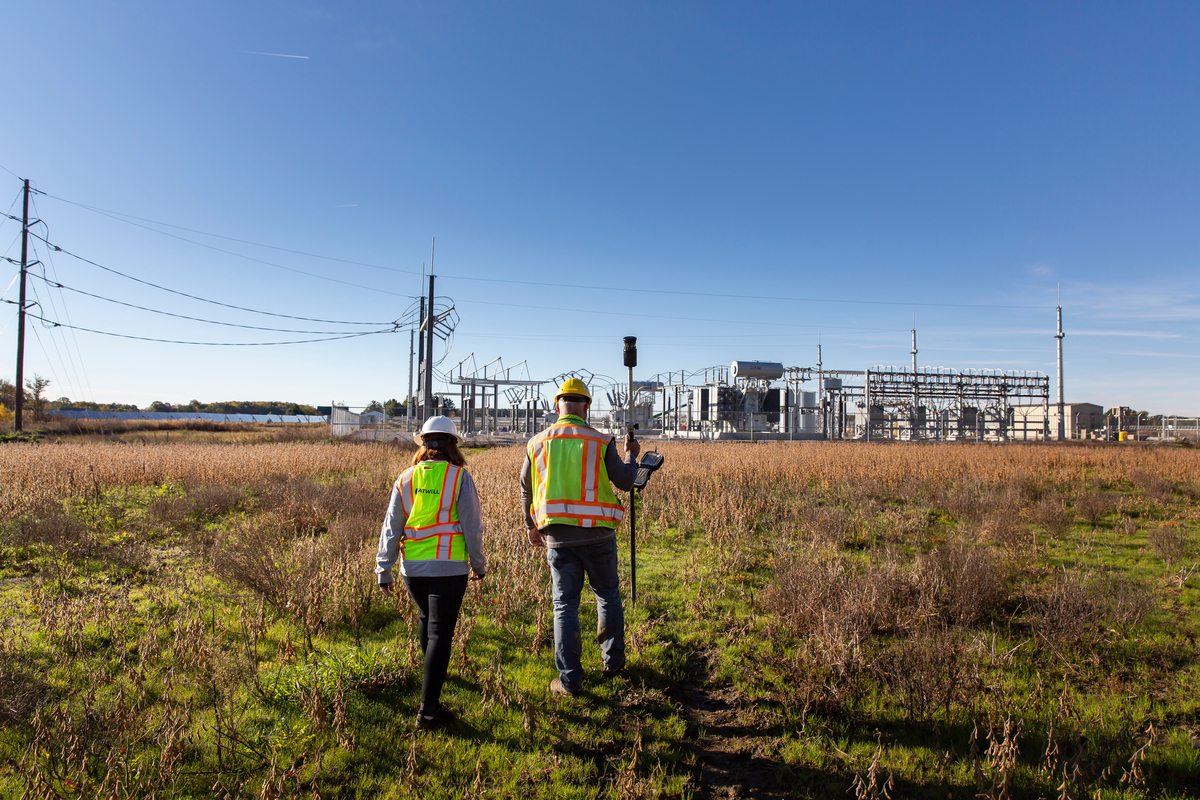
I recall a recent experience where we were tasked with supporting a solar energy project that, at peak, involved over 700 professionals on-site for this major effort. Managing the massive requirements to complete a project that generates up to 720 MWp (megawatt peak) takes constant monitoring, field experience, and proficiency, along with a commitment to innovative collaboration. This level of coordination can be challenging, but is critical in ensuring that decisions are made promptly and that the project continues to move smoothly.
3. Budget management and guidance to meet challenges
Large projects are often challenged with cost overruns—an unfortunate, yet common, issue that comes up in our industry. Whether it’s due to unforeseen site conditions, design changes, or permitting issues, costs can quickly change and fall out of the initial scope as planned. An owner’s rep plays a crucial role in budget oversight by reviewing contracts, monitoring expenses, and ensuring that financial decisions align with the owner’s best interests.
When done well, there are opportunities to help identify cost-saving opportunities without compromising quality. Owners depend on us to utilize our experience—and sometimes our creativity—to ensure that they are making reasonable, informed decisions.
4. Risk mitigation and problem solving
Construction inherently involves risks, from legal and regulatory challenges to safety concerns and construction defects. An owner’s rep is well-versed in identifying and mitigating these risks. They ensure compliance with building codes, zoning laws, and safety regulations, reducing the likelihood of legal complications.
Additionally, they have the expertise to handle unforeseen challenges that may arise, such as material shortages, labor disputes, or design inconsistencies. By proactively addressing these issues, an owner’s rep minimizes project disruptions and keeps progress on track.
5. Quality assurance
Delivering a high-quality project that meets industry standards is a primary concern for any owner. However, without technical expertise, evaluating the quality of workmanship, materials, and construction methods can be challenging.
An owner’s rep ensures quality control by conducting regular site inspections, reviewing contractor performance, and enforcing compliance with specifications and contract terms. Their presence guarantees that shortcuts are not taken, and that the final product meets the owner’s expectations.
An owner’s representative early involvement produces the best returns
Having an owner’s rep in any project is always an advantage, regardless of the project’s size and complexity. I believe that any project with significant financial investment, regulatory challenges, or multiple stakeholders would benefit from an on-site expert with strong management expertise.
It’s ideal to bring on an owner’s rep early in the project. Being involved during the planning and design phase ensures that we can support and provide input on key decisions from the beginning, setting the project up for success.
For owners looking to navigate the complexities of construction with confidence and peace of mind, adding an experienced owner’s representative is a strategic decision that can ultimately lead to a smoother, more efficient project.